
6 Common Reiki Sensations and What Each One Means
After your first reiki session, you might walk out trying to name something that has no easy name. Your body ran warm. Or buzzing. Or strangely light. Or maybe you felt nothing at all, and you’re already wondering whether to try again.
Reiki sessions $150 · Private Melrose studio
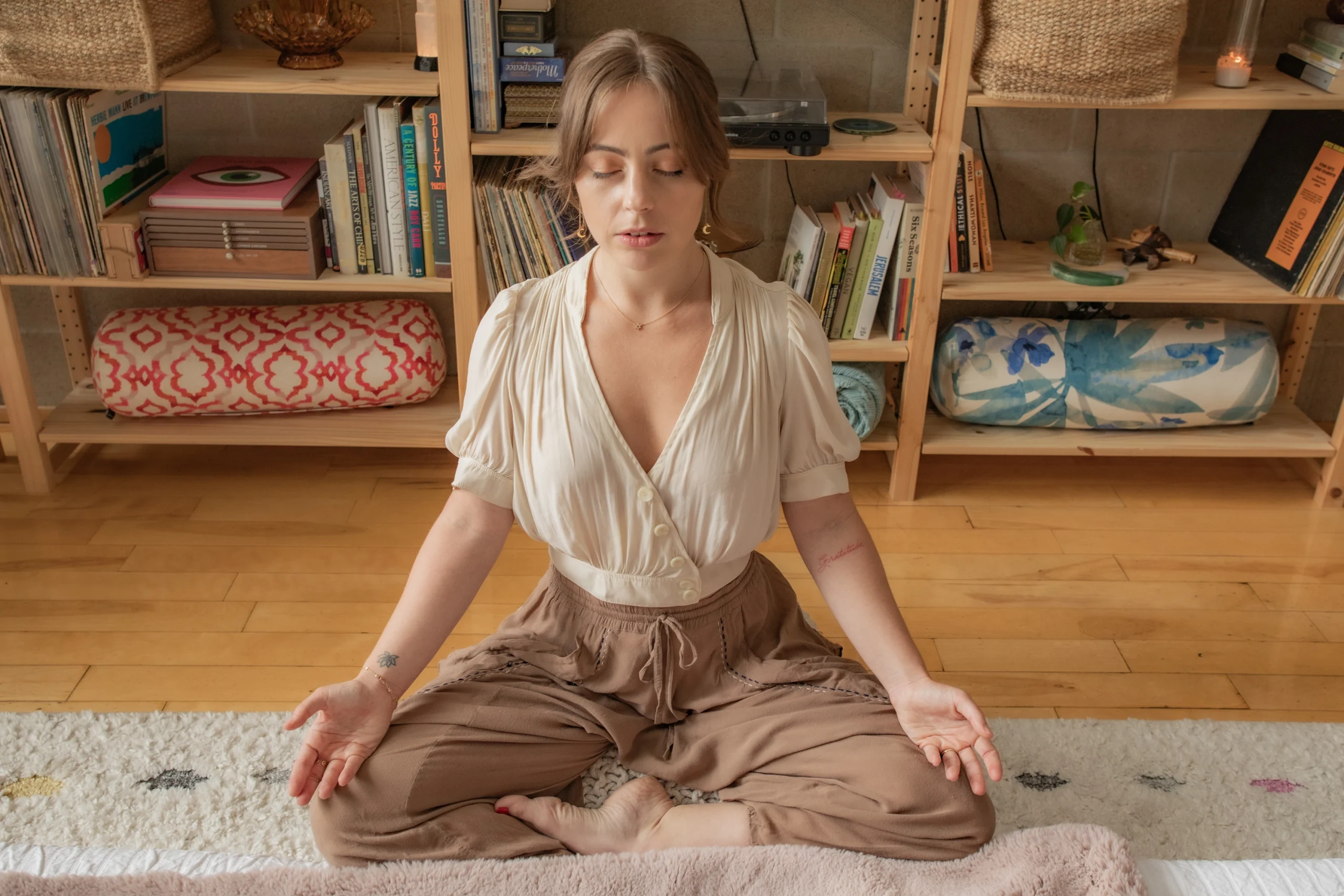
All of those responses are normal. Reiki sensations are personal. Two people can receive healing energy in the same session and walk out with completely different accounts. What you notice, or not, does not determine whether healing is happening.
Looking for energy healing in Los Angeles? Our Hollywood studio offers reiki sessions for first-timers and returning clients alike. Book here.
What Are Common Experiences During Reiki?
During and after reiki, the body produces responses across multiple layers. Most people notice at least one of the following during or after a session:
- Heat from the practitioner’s hands or nearby
- Tingling or a soft buzz in a specific area
- Cold or coolness, often following heat
- Emotional release: tears, laughter, or long exhales
- Heaviness or a floating feeling in the arms and legs
- No noticeable feeling at all
All six fall within the range of what reiki can produce. The level of sensation does not measure how much healing energy is present. Reiki meets the body where it is. What your body is ready to receive is what gets received.
1. Heat
Heat is among the most commonly reported responses during a reiki session. You might feel warmth where your reiki practitioner’s hands rest or hover, in a specific spot along the back, belly, or neck. For some people it spreads outward slowly.
What surprises many first-timers is that heat can appear even during hands-off work. When hands feel charged with reiki energy, the physical body sometimes registers this even before contact happens. A recipient may notice this even when no touching is taking place. When reiki energy begins to flow into a tense area, that response often follows.
Some research suggests reiki sessions may help activate the parasympathetic nervous system, the branch of the nervous system associated with rest, digestion, and recovery. According to this peer-reviewed review, several studies have measured this response in objective terms.
At our Hollywood studio on Highland Ave, shoulder tension releasing with heat is something we hear about regularly. Many clients arrive carrying hours of physical stress before they lie down. The session gives the body a reason to stop bracing.
2. Tingling or Buzzing
Tingling comes up almost as often as heat. It can feel like a soft buzz in a specific area: the hands, the spine, or even the knee. Sometimes it radiates outward. Sometimes it appears in both feet at once.
The overall experience is gentle and usually pleasant. It feels like a current that settles rather than startles.
In our experience, tingling often seems to arise in areas that have held tension for a long time, though every body responds differently. Think of it as the body beginning to tune back in to what it has been carrying. When clients describe it afterward, they often say it felt less like electricity and more like the area finally becoming aware of itself again.
“When clients tell us their legs were buzzing through most of the session, that’s often a sign their nervous system finally got to settle for the first time all week.” — Yonatan Elkayam, Certified Reiki Master Teacher, Word of Mouth | Integrative Wellness
3. Cold or Coolness
Not everyone experiences warmth. Some people feel cold during a reiki treatment and assume something went wrong. They expected heat. Cool came instead.
Nothing went wrong. Hot and cold responses both fall within the range of what a session can produce. Heat often comes first as the session allows energy to flow through an area. Coolness tends to follow as the body settles into a quieter state. These are two stages of the same process, not a sign of energetic imbalance.
It is not uncommon for a practitioner to notice differences while working. One spot might indicate more activity. Another might feel quiet and settled. Practitioners trained in byosen, a Japanese perception technique for reading the body’s energy, often interpret temperature differences as useful information rather than a problem. When hands-on work produces different temperature readings over the same area, that is something to pay attention to, not something to correct. A hands-off adjustment can shift things if needed.
If coolness feels uncomfortable, let your practitioner know. Small adjustments are easy to make.
4. Emotional Release
Tears arrive during sessions more often than people expect. So does laughter. Sometimes a slow exhale that seems to come from somewhere very deep.
The throat chakra is traditionally associated with expression and stored emotion. Practitioners often describe this as an area that responds noticeably during reiki work. Some people find themselves feeling the need to cry without knowing exactly why. That kind of release is more common in reiki than most people realize before their first visit.
When a session creates space for stored tension to move, emotion can sometimes surface. The body holds what the mind and spirit have been managing. A safe, calm environment allows that energy to gently shift.
Most people feel lighter after this kind of response than they did before. Many describe it as clarity. The chakras along the torso and throat area can hold emotional weight for a long time. When that moves, the change is noticeable.
We see this regularly at Word of Mouth with clients who hold space for others all day: therapists, nurses, parents. A session may be the first hour all week that nobody is asking anything of them. That alone can open something that has been waiting.
5. Heaviness or Floating
These two experiences come from the same deep relaxation state, but they feel like opposites.
Heaviness feels like the physical body finally stopped holding itself up. Arms and legs settle into the table with a grounded, weighted quality. Some people describe a kind of awareness dropping into the body rather than sitting above it.
Floating is the opposite. Lightness. A sense that something has lifted without effort. Clients sometimes describe a visual quality to this state, as if hovering gently above the table. Others connect it to the depth they have only reached in meditation. That kind of stillness can arrive faster in a reiki session than people expect.
Some clients also describe sensing spirit guides or an angelic presence during this phase of energy healing. These are personal experiences that reflect the spiritual dimension reiki can open for some people. Whether or not they align with your own belief system, the deep relaxation underneath them is real and measurable. According to what to expect from a reiki session, the University of Minnesota’s integrative health program notes that drowsiness during or after a session is a normal and expected response.
6. Feeling Nothing
This is the one that worries people most. You lie down. You wait. You don’t feel anything. You leave wondering whether it counted.
Here is what we tell every receiver who brings this up: sensation and benefit are not the same thing. Many people, especially in their first several Reiki sessions, do not notice strong or named responses on the table. That does not mean nothing happened.
We tell every new client the same thing: notice how you sleep tonight. That is often where the shift first shows up.
Effects are sometimes subtle and come later. Better sleep that night. A calmer mood the next morning. Less reaction to something that usually pulls you under. Individual sensitivity to inner body experience varies widely, and that difference is not a barrier.
The body is still receiving whether or not you feel anything. It receives at whatever level it can access. That is the part most first-timers miss.
What to Do After Your Session
Drink water and rest when you can. Notice how you sleep that night. Track your mood and energy the next morning. Small notes over time reveal patterns that a single session cannot.
Four sessions is a traditional starting point in reiki practice, a recommendation noted by the University of Minnesota’s integrative health program, though the right cadence depends on the person. Some use reiki as regular self-care. Others come during harder seasons and step back when things ease.
Jaime and Yonatan Elkayam are married co-founders and Certified Reiki Master Teachers. They built Word of Mouth on the same principles they teach. Each serves as guide and vessel for the energy in every healing session at the studio. With over ten years of combined experience supporting healers, therapists, and consciously minded people in Los Angeles, they respond directly. Not through a queue or a bot. If something came up during your session, an emotion, a body response, a thought you are still sitting with, reach out. You do not have to interpret it alone.
This is the core of what we call The Overflow Effect: when you tend to your own needs first, what you give to others comes from a full cup, not an empty one.
Distance healing is also available for those who cannot make it to the studio. It uses the same reiki symbols and ki-based technique. Each symbol carries specific energetic intent. The channel responds the same way regardless of physical distance. For sensitive clients who prefer to receive reiki from their own space, this is a real option.
Ready? Book a reiki session in Los Angeles at our Hollywood studio.
Sensations are one doorway. If what’s moving in you feels bigger than an hour on the table, our 1:1 integrative coaching pairs Reiki with breathwork and honest conversation, one week at a time.
Reiki sensations, answered
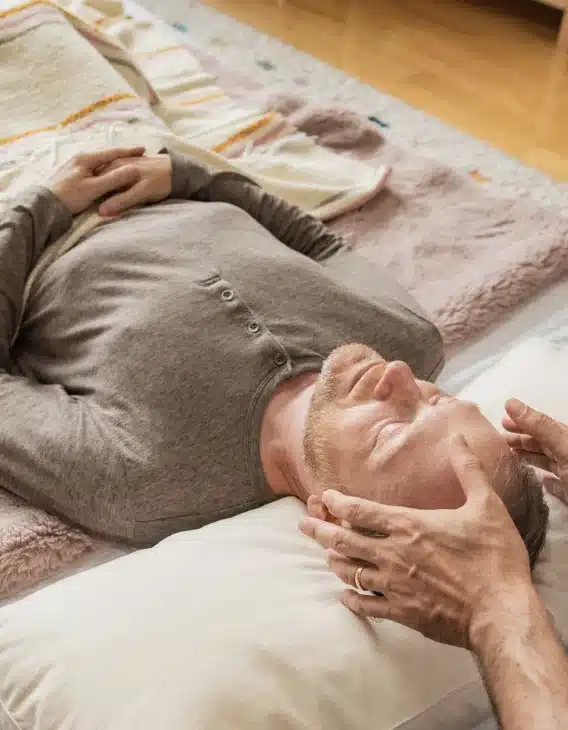
Curious what you'll feel?
There is no wrong response, including none at all. Reiki sessions are $150 at our private West Hollywood studio.